Why Walkability Matters: Evaluating Neighborhoods in Redding
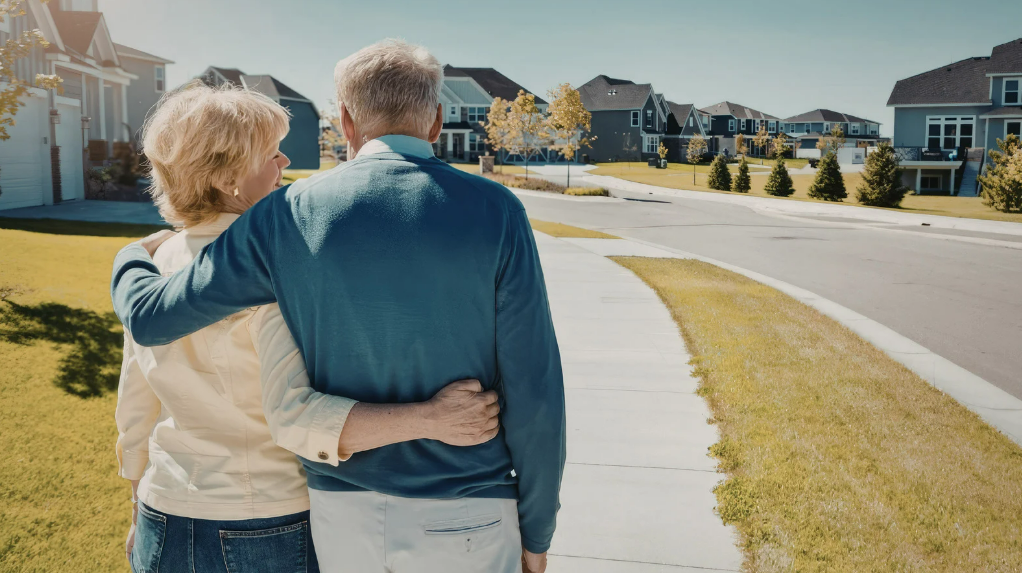
Walkability plays a pivotal role in choosing where to live. It shapes daily routines, community connections, child-friendly activities, and even future home value. In Redding, CA, families searching for a welcoming and fulfilling neighborhood increasingly prioritize walkable environments.
Understanding Walkability: More Than Just Pleasant Strolls
When we talk about walkability, we’re considering how easy and enjoyable it is to navigate a neighborhood on foot. Good walkability isn’t just sidewalks. It’s about:
Proximity to essentials: grocery stores, schools, parks, and dining
Safe, well-lit sidewalks and crosswalks
Access to bike lanes and public transit stops
Neighborhood design that encourages strolling, congregating, and connecting
These elements create environments where families thrive—daily routines become simpler, healthier, and socially richer. That’s why we emphasizes not only the quality of homes but also how these homes fit into a walkable lifestyle.
The Case for Walkability in Family Life
A walkable community does more than improve health—it transforms the fabric of family life. Children who can walk or bike to school become more independent, confident, and engaged. Family errands like heading to the park or grabbing groceries foster bonding time that often gets lost in car routines. Parents benefit too: fewer solo drives mean more time spent in neighborhoods—pausing to chat with neighbors, attending local events, or simply enjoying the day rather than being stuck in rush-hour traffic.
From an investment standpoint, homes in walkable areas tend to hold value better and sell faster—especially as more homebuyers come to expect a “20-minute neighborhood.”
Walkability in Redding: The Downtown Example
Redding’s downtown illustrates what walkability brings to life. With a Walk Score of 77, it’s the city’s most pedestrian-friendly area. Here, residents live within walking distance of:
Specialty coffee shops, boutiques, and everyday errands
Community hubs like the Sundial Bridge and Turtle Bay Exploration Park
Public transit lines that connect downtown to surrounding neighborhoods
Family life here might involve dropping kids off at pre-school on foot before heading to a café, strolling riverfront trails in the evening, or catching a weekend farmers’ market—all without starting the car.
While not every family wants or can live downtown, the area serves as a strong benchmark. Each of Redding’s most family-friendly neighborhoods borrows from downtown’s layout: walkable pockets of community, convenience, and connection.
Evaluating Walkability by Neighborhood
Below is a snapshot of some of Redding’s top family-friendly neighborhoods—how walkable they are, and why families love them.
Garden Tract
Garden Tract stands out for its tree-lined streets and charming, historic feel. Residents describe it as a “tight-knit” and walkable area, where coffee shops, playgrounds, and neighborhood associations are a short stroll away.
With sidewalks on calm streets, families can walk to local parks and schools—and neighbors often mention bumping into one another at Saturday strolls. The walkable charm adds both quality of life and appeal to homebuyers.
Downtown
As noted, downtown boasts the strongest walkability metrics in Redding. Wide sidewalks, clearly marked crosswalks, and clusters of schools, markets, parks, and community spaces make it a reflexive choice for families who want convenience and engagement. Public transit is also readily accessible, easing commutes within the city .
Magnolia / Lakeview
Though smaller and less central, Magnolia and Lakeview neighborhoods offer walkable pockets, with access to essential amenities and main streets lined with boutiques, eateries, and parks. They deliver a quieter vibe while retaining everyday convenience—ideal for families wanting balance.
Hacienda Heights
Known for its clean, walkable streets and energized community life, Hacienda Heights scores points for dog owners, young families, and neighbors who enjoy spontaneous socializing . Its pedestrian-friendly design makes it easy to drop off kids, walk pets, and stay connected.
Woodcliff Estates and Highland Park / Park Pointe
Woodcliff Estates is praised for its dog‑friendly sidewalks and quiet, walkable streets. Highland Park / Park Pointe stands out for its peaceful, convenient design—with moms, dads, and kids all appreciating quick steps to parks and neighbors’ yards.
Beyond Walkability: What Families Should Prioritize
Walkability doesn’t stand alone; for families, it must coincide with other core priorities—each area of Redding combines these with varying strengths.
School Quality and Proximity
Top schools matter—especially when close by.
West Redding includes Juniper Elementary, Sequoia Middle, and Shasta High—all within walking distance of lovely neighborhoods and riverfront trail.
River Ridge Estates is served by acclaimed schools and bordered by walking paths to parks and shops.
Beyond city limits, Palo Cedro offers Foothill High and strong elementary options while combining a rural lifestyle with tight-knit community.
Each of these areas ensures walking or biking to school is both feasible and safe, reinforcing walkability through daily routines.
Parks and Recreation
Redding boasts over 56 developed parks, 597+ acres of green space, and 38 miles of trails. Examples include:
Sacramento River Trail (West Redding)
Clover Creek Preserve (East Redding)
Enterprise and Caldwell parks near River Ridge Estates
Walkable access to playgrounds, bike paths, and open fields transforms weekends into small-scale adventures. Plus, parks often serve as event venues—seasonal gatherings, craft fairs, or pick-up soccer games—that build community ties.
Safety and Community
Independence requires security. Families look for low traffic, well-lit paths, and areas with active neighborhood watch or community engagement.
Residents of Country Heights, for example, cite “quiet streets, larger lots, and safe environment” as selling points. West Redding, similarly, is praised for safe streets and a family-focused ethos.
Housing Options and Affordability
The sweet spot is spacious homes near walkable areas—within budget.
East Redding offers large homes at moderate prices close to parks and amenities .
Country Heights delivers on lot size, privacy, and affordability, with excellent walkability to parks and community hubs .
River Ridge Estates caters to those who want upscale homes and premium walkable conveniences—a balance of luxury and daily ease.
Community Activities and Culture
Pedestrian-friendly design encourages spontaneous socializing and formal events alike.
Downtown hosts concerts, art walks, and street fairs—walkable and local.
Neighborhoods like Garden Tract and Hacienda Heights rely on tree-lined streets and lawns where impromptu gatherings happen.
West and East Redding include seasonal markets and trail events—walkable, accessible, and resident-driven.
A Closer Look: Walkability by Neighborhood
Let’s highlight how walkability intersects with other family-focused criteria in key areas.
Garden Tract
This historic pocket merges walkability with community charm. Kids can bike to school, families stroll to nearby parks, and neighbors meet naturally on sidewalks and front lawns. The result: strong ties, frequent walk-and-talks, and homes that benefit from consistent interest.
West Redding
Here, trails and streets create a web of walkable greenways that connect schools, parks, and homes. Families can walk to Juniper Elementary or hit the Sacramento River Trail without crossing busy roads. That design encourages active lifestyles and strengthens family bonds.
Downtown
Downtown families might choose condos or row homes within minutes of groceries, cafés, schools, and cultural venues. Walkable access to transit also helps older kids and parents commute easily—particularly valuable for those who want less dependence on cars.
River Ridge Estates
Sidewalk-lined roads lead to parks, quality schools, and shops. Although primarily residential, the neighborhood integrates walking infrastructure that supports evening strolls, social outings, and weekend errands—all within reach of home.
Hacienda Heights, Woodcliff Estates, Highland Park
These quieter suburbs offer short walking distances to small parks, playgrounds, or communal green spaces. While vehicle takeoffs are still common for errands, everyday errands and kid drop-offs remain pleasantly walkable.
Measuring! What Makes a Neighborhood Walkable?
When evaluating walkability, families can look beyond Walk Score and consider:
Sidewalk presence and quality – Are sidewalks continuous, wide, and well-maintained?
Safe street crossings – Are there crosswalks, traffic-calming measures, and slow speeds?
Walkable destinations – Is there access to grocery stores, parks, coffee shops, and schools?
Connectivity – Do sidewalks lead somewhere, or dead-end into cul-de-sacs?
Transit access – Are public buses or transit lines accessible within walking distance?
Lighting and comfort – Are streets well-lit, with trees shading paths, benches, and signage?
Redding neighborhoods such as Garden Tract and West Redding consistently score well across these criteria—especially when paired with quality schools, safety, and parks.
Walkability + Family Priorities: A Winning Formula
Walkability multiplies the benefits of other family-friendly pillars:
School proximity – Short walk or bike commutes lead to independence and less morning car chaos.
Parks & green space – Walkable access encourages daily outdoor life, afternoon games, and weekend get-togethers.
Housing value – Walkable neighborhoods tend to outperform others in long-term appreciation and resale rates.
Community connection – Walkable streets cultivate spontaneous moments with neighbors—kids playing together, moms chatting on benches, families exploring local events.
Health & well‑being – Walking increases daily exercise and reduces sedentary habits for all family members.
Choosing the Right Pocket for Your Family
If you’re evaluating Redding for your family’s next move:
Start with Walk Score, but go deeper—walk the streets yourself.
Observe sidewalks, street-crossing features, and access to amenities.
Listen to locals—neighborhood neighborhood social apps (like Nextdoor) often reflect real-life walkability and community vibes
Balance walkability with quality schools, safety, and housing affordability.
Remember, even a driveable commute can include pedestrian pockets—like a cul-de-sac located within walking distance of a park.
Final Thoughts: Walkability as a Long-Term Investment
In Redding, walkability isn’t just a convenience—it’s an investment in wellness, community, and property value. From historic Garden Tract to scenic West Redding, from suburban Hacienda Heights to family-centric River Ridge Estates, neighborhoods that promote walking offer more than sidewalks—they deliver healthier, more connected family lives.
When you’re ready to find a walkable, family-focused home in Redding—or compare walkability among top neighborhoods, Charlie can be your companion. With in-depth knowledge, personal experience, and a commitment to quality living, we're here to help you find not just a house, but the right lifestyle for your family.
Tips to Maximize Walkability in Your Home Search
Take prospective walks (or evening strolls) through neighborhoods you’re considering.
Talk to families about after-school routines and street safety.
Look for houses near trailheads and parks—even if it means living on a quieter adjoining street.
Ask your real estate guide from us about sidewalk upkeep, lighting, and neighborhood walk history.
Compare footprints: a slightly smaller home in a walkable pocket could offer a bigger lifestyle payoff down the line.
Walkability challenges us to think differently about where—and how—we live. In Redding, it’s an anchor: from independence and health to daily convenience and future value, walkable neighborhoods offer something special.
By evaluating walkability alongside school proximity, parks, safety, housing options, and community, families can make grounded choices that delight daily—and stand firm tomorrow. We’re here to show you every walkable path, sidewalk, and street that brings your family closer to the life you want.
Let’s go for a walk—and find your home.